
Nuclear Bunkers

Nuclear Bunkers

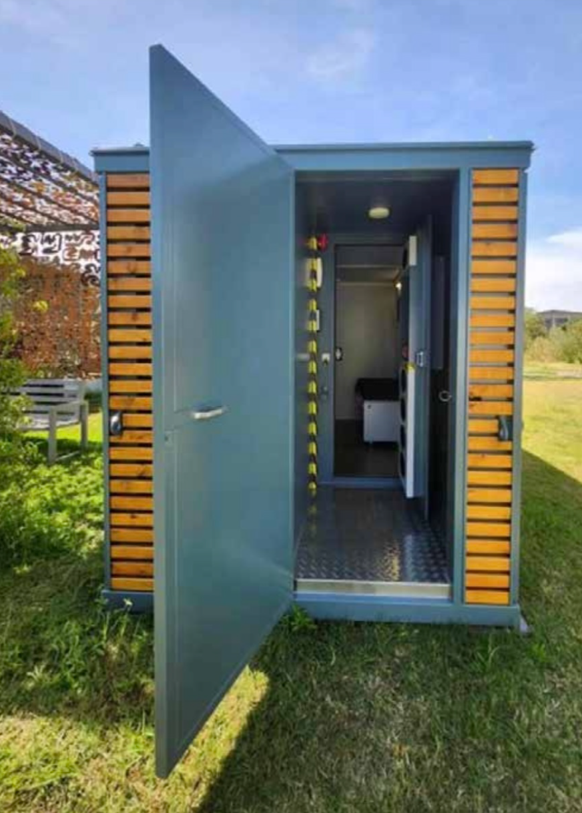
The KIBO nuclear bunker is a stand-alone shelter designed as an emergency ‘panic’ room, providing immediate and rapid protection from various armed threats and disasters. As a true nuclear bunker, it can be adapted with the optional addition of Chemical, Biological, Radiation and Nuclear (CBRN) filtration systems, giving full protection against airborne contamination as well as physical threats.

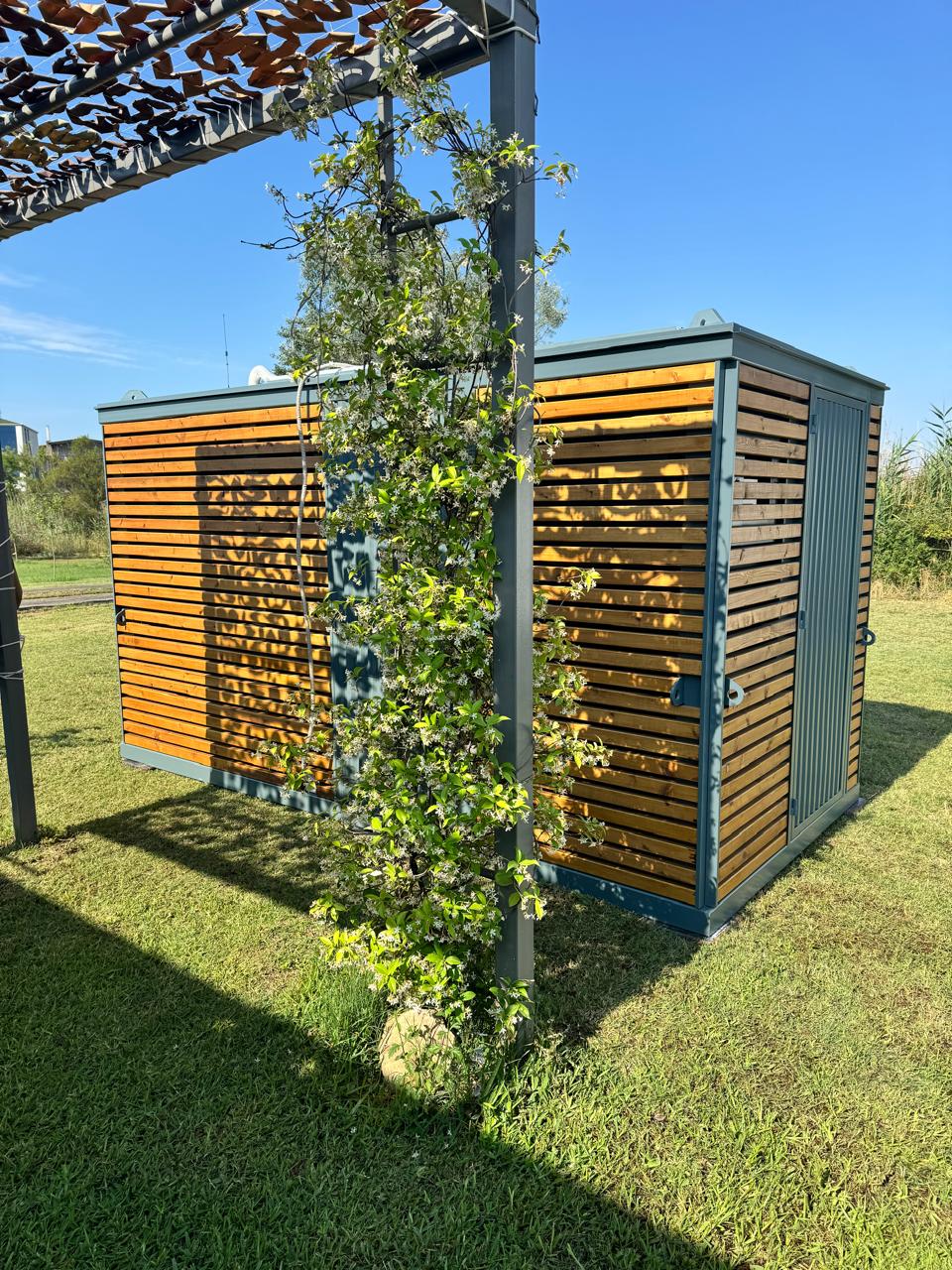
Each bunker is bulletproof, blast rated and forced entry protected, with decorative external finishing that allows it to blend into your property’s design — disguising the true purpose of the building from view.

Please see the full specifications, protection details and optional extras for this nuclear bunker below.

Category: Product ID: 8956

Main Specifications

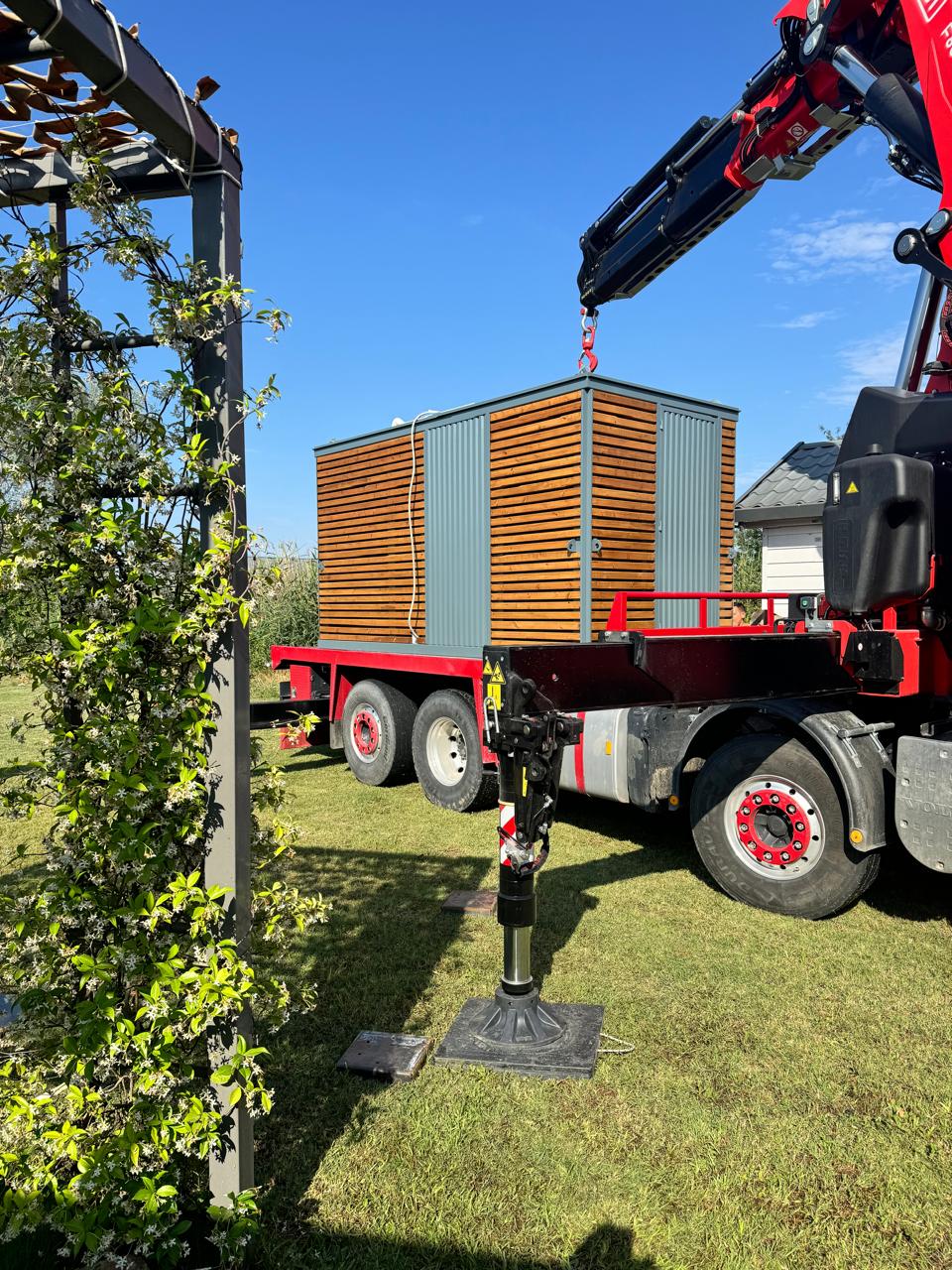
  • Simple transportation and installation. Thornhill will be able to provide further details and pricing for full installation at the time of enquiry
  • External Dimensions; 2.00m x 4.00m x 2.25(h)
  • Approximate Weight: 7,500 kg
  • Capacity: up to 6 adults
  • Power requirements: standard mains supply, with the option of independent solar back-up
  • Transportation & Installation: Delivered as a complete unit for straightforward site placement.
  • Customisation: Available with a range of external finishes to blend in with your property’s existing design.


Protection

  • Ballistic: up to UL 752 Level 10 (12.7mm x 99 FMJ) – upgraded levels available. This is one of the highest ballistic ratings available for a civilian-installed structure, tested to resist large-calibre rifle rounds. Upgraded levels are available where a higher threat profile needs to be accounted for.
  • Blast: minimum 3 psi @ 100ms. This rating reflects the shelter’s ability to withstand overpressure from a nearby blast wave without structural failure — a recognised benchmark for shelters designed to protect occupants from explosive and fallout-related blast effects.
  • Forced entry: standard security level, with upgrade levels available. Covers resistance to manual tools, prying, and sustained physical attack at the door and access points, with the option to extend resistance time further for higher-risk installations.
  • Optional CBRN (Chemical, Biological, Radiation and Nuclear) filtration. This system filters incoming air to remove airborne contaminants, particulates and fallout, allowing occupants to maintain a breathable internal atmosphere during and after an external incident.


Optional Equipment

All of the below are optional extras to the KIBO Shelter:

  • Power Station with radio — maintains essential power and communications if mains electricity is lost.
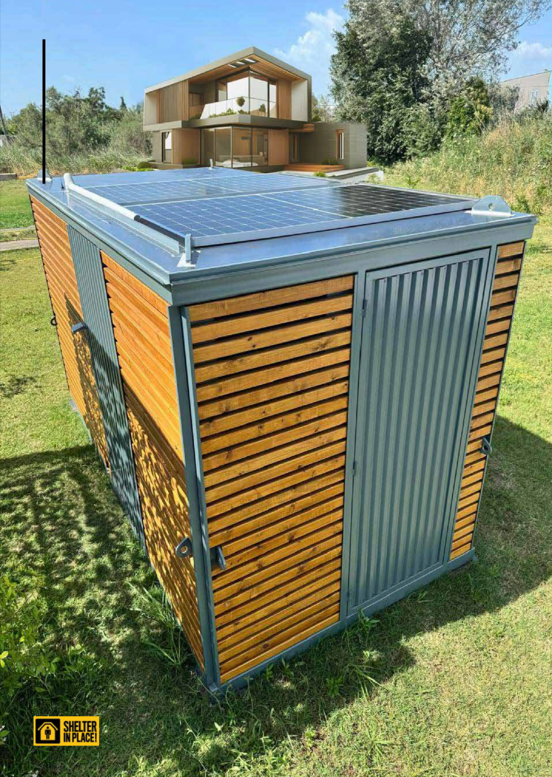
  • Solar roof panels — a passive backup power source for extended outages with no external supply.
  • 2x Solar panel 380W — increases generation capacity for longer-term self-sufficiency.
  • Water Station Dispenser — secure on-site water storage and dispensing for extended occupation.
  • Set of VHF/UHF radios with roof antenna — keeps you in communication with the outside world.
  • CBRN Filtration System — see Protection above.
  • Lightning protection installation — protects the structure and any installed electrical systems from lightning strike damage.
  • Earthing installation — ensures electrical safety compliance and protects sensitive equipment.
  • Bulletproof windows — extends ballistic protection to viewing points without compromising visibility out.
  • Blast-protected ventilation points — maintains airflow while preserving the structure’s overall blast rating.
  • Emergency exit — provides a secondary means of escape if the primary entrance becomes inaccessible.
  • Chemical WC & Sink — sanitation facilities to support longer stays.
  • AC 12,000 BTU cool/heat — maintains a stable internal temperature during extended occupation.
  • Full electrical installation — wiring and fit-out for lighting, sockets and equipment.

Nuclear Bunker FAQ's

  1. Do I need planning permission for a nuclear bunker or shelter? This depends on your property type, location, and local authority — factors such as conservation area status or listed building restrictions can affect what’s permitted. We’d recommend checking directly with your local planning authority, and our team can advise on the specifics for your site as part of the quotation process.
  2. What’s the difference between a panic room and a CBRN shelter? A standard panic room is primarily designed to resist forced entry and armed threats. A CBRN-equipped shelter adds Chemical, Biological, Radiation and Nuclear filtration, so the same space also protects occupants from airborne contamination originating outside the property.
  3. How many people can the shelter accommodate, and for how long? The standard unit accommodates up to 6 adults. How long it can sustain that number depends on which optional extras — power, water, sanitation — are fitted. We can advise on this based on your specific requirements.